
What Is A Foul In Soccer? A Detailed Explanation For Newcomers
What Is A Foul In Soccer? A Detailed Explanation For Newcomers
In football, in addition to skills and tactics, compliance is also important.competition rulesis a mandatory element to ensure fairness and safety. One of the most important aspects is foul– a situation that occurs when a player violates the referee’s regulations or the International Football Laws of the Game (IFAB). Although it happens frequently, not everyone clearly understands what a foul is, what types it includes and what the consequences are. Visit https://keonhacai5.br.com/ Learn in detail about the types of fouls, penalties and how referees handle them to better understand this technical aspect of the king sport.
The concept of foul in football
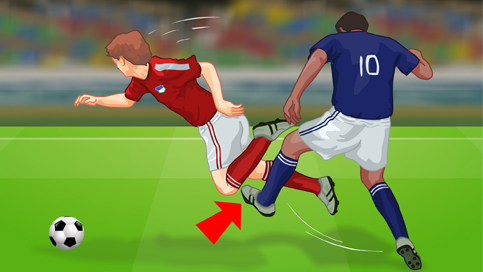
A foul is an act in which a player violates the rules of the competition, causing disadvantage to the opponent or hindering the game. Any action considered a foul is the referee decides, which may lead to direct or indirect free kick, penalty or card.
An error is only recognized if:
- Happen while the ball is in play,
- Okay The referee directly observes or confirms via VAR,
- And affect the game situation of the opponent.
Common types of fouls in football
Collision or foul play
This is the most common group of errors in every game, usually coming from ball dispute situationSome typical errors include:
- Kick or attempt to kick an opponent.
- Push, pull, squeeze too much.
- Block people without the ball(prevent the opponent from moving without fighting for the ball).
- Using hands or elbows is illegal.while jumping for the ball.
These errors often lead todirect free kickfor the team that committed the foul, and if it occurs inside the penalty area, that team will be awarded a penalty.penalty.
Handball
One of the most controversial fouls. This foul occurs when the player deliberately touching the ball with the hand or arm, illegally altering the direction or controlling the ball.
However, the new law has regulated that:
- If the ball accidentally touching the ball after being bounced from another person or the player himself then not be penalized,
- Unless the ball touches the hand in a scoring situation or creating a scoring opportunity.
Handball fouls in the penalty area often lead to penalty, and in severe cases can be yellow or red card.
Reaction error and unsportsmanlike conduct
Not only behavior on the field, butplayer attitudemay also be considered a foul.
For example:
- Arguing and insulting the referee.
- Pretend to fall to get punished.
- Deliberately stalling for time, preventing the opponent from passing the ball quickly.
These errors are often yellow card or direct red card if it is seriously offensive.
Offside
Although not a “cruel” error,offside is still a violation of the rules of the game. A player is considered offside when stand higher than the opponent’s last line of defenders at the moment a teammate passes the ball, and participated in the attack situation.
When blown offside, the opposing team will be awarded a direct free kick from the position of the offense.
Forms of punishment in football

1. Direct free kick
Awarded to the team that committed the foul when the offense is committedtakes place outside the penalty area. Players can shoot straight into the goal to score
2. Indirect free kick
Apply to error not directly obstruct or collide, for example, an offside error, the goalkeeper holding the ball for more than 6 seconds, or a teammate passing the ball back with his foot and the goalkeeper catches it.
3. Penalty
If an error occurs in the defending team’s penalty area, the referee will give the attacking team a goal.penalty kick– one of the clearest scoring opportunities.
4. Penalty card
- Yellow card:caution a player for unsportsmanlike conduct, dangerous tackle or excessive arguing.
- Red card:Disqualification, for serious offences such as committing a serious foul, preventing a goal with the hand or receiving two yellow cards in the same match.
The role of VAR in error handling
VAR (Video Assistant Referee) technology helps limit referee errors, especially in situations such as: Handball, offside, penalty, or direct red card.
VAR does not replace the referee in making decisions, but helps ensure fairness and transparency in every phase of the ball.
How players limit fouls
To minimize foul situations, professional players always adhere to:
- Hold safe distance when intercepting.
- Do not tackle the ball with both feet or from behind.
- Practice calm mind, avoid overreacting when being penalized.
- Understand the rules of football to adjust the play properly.
Conclude
Fouls in football are an integral part of the sport, helping to maintain fairness, safety and discipline on the field. However, players need to understand the rules to avoid unnecessary mistakes and protect a professional image. Master the regulations on fouls, free kicks and cards,tylekeo not only helps players play better but also helps viewers deeper understanding of tactics and game tempo, making football enjoyment more complete than ever.